
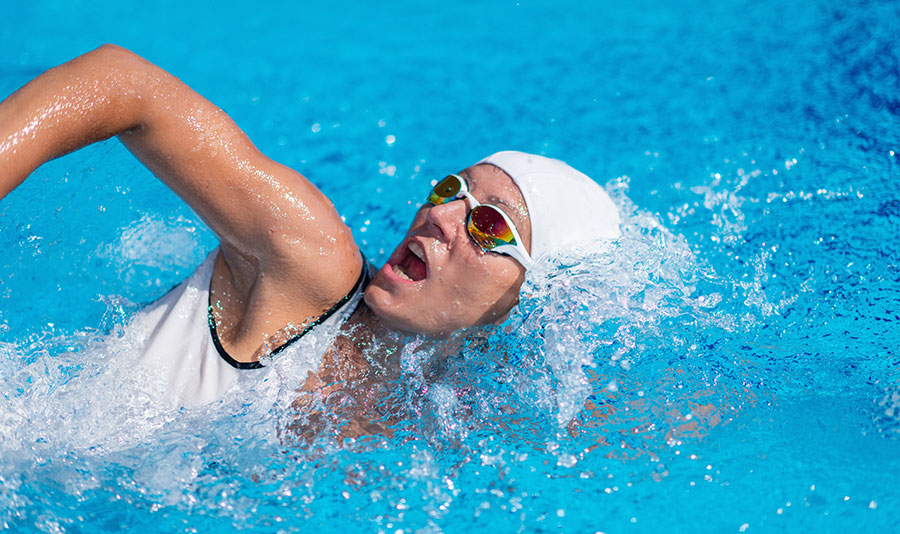
How long after PRK can I swim?
What is PRK surgery?
PRK stands for photorefractive keratectomy. It is a type of laser eye surgery that helps improve vision.
The treatment reshapes the cornea, which is the clear front surface of the eye.
When the cornea has the correct shape, light can focus properly inside the eye. This helps make vision clearer.
It was one of the first types of laser vision correction and is still used around the world today.
PRK can correct short sight, long sight, and astigmatism. Many people choose PRK to reduce their need for glasses or contact lenses during daily life and activities such as swimming.
Why should you avoid swimming after PRK?
The eyes need time to heal after PRK. This healing process is important.
The surface layer of the cornea is healing during the first days and weeks after treatment.
Swimming pools, lakes, rivers, and the ocean can contain bacteria and other substances that may irritate the eyes.
Water can also increase the risk of infection while the eyes are healing.
For these reasons, patients are usually advised to avoid swimming during the early recovery period.
How long should you wait before swimming?
Recovery is different for every patient.
The amount of time you need to wait before swimming depends on how your eyes heal and your doctor's advice.
Most patients need to avoid swimming until their eyes have recovered sufficiently.
Your eye specialist will tell you when it is safe to return to swimming based on your individual progress.
It is important not to rush back into water activities before receiving professional guidance.
Why is patience important?
The cornea needs time to heal properly after PRK.
Although vision may begin improving quickly, the healing process continues beneath the surface.
Returning to swimming too soon may expose the eyes to unnecessary irritation. Giving your eyes enough time to recover can help support a smooth healing process.
What happens during PRK recovery?
Immediately after surgery, the eyes begin healing.
Many patients notice blurry vision, watery eyes, or light sensitivity during the first few days.
These symptoms are a normal part of recovery.
Over the following weeks, vision usually becomes clearer.
The importance of protective healing
After PRK, a special bandage contact lens may be placed on the eye.
This helps protect the healing surface of the cornea.
Once the eye has healed sufficiently, the lens is removed during a follow-up appointment. This early healing stage is one reason swimming is usually avoided.
Can pool water affect healing?
Pool water contains chemicals such as chlorine.
While chlorine helps keep pools clean, it can irritate sensitive eyes.
After PRK, the eyes may already feel dry or sensitive.
Exposure to pool water may increase discomfort during recovery.
What about the ocean or lakes?
Natural bodies of water may contain bacteria, sand, salt, or other particles.
These substances can irritate healing eyes.
Because every swimming environment is different, patients should always follow the advice of their eye specialist before returning to the water.
What activities can you do instead?
During recovery, many patients focus on gentle activities.
Walking and light daily tasks may be possible depending on the stage of healing.
It is important to avoid activities that could expose the eyes to irritation or accidental injury. Your doctor can explain which activities are suitable during recovery.
The importance of follow-up visits
Follow-up appointments allow your doctor to check how your eyes are healing.
These visits help ensure the cornea is recovering as expected.
The doctor can also advise when it may be safe to return to swimming and other sports.
Listening to professional advice
Recovery is different for every patient.
Some people recover more quickly than others.
Following your doctor's advice is the best way to support safe healing and a successful outcome.
Why do some patients choose PRK?
Many people choose PRK because it can provide long-term vision correction.
PRK may be suitable for patients with thinner corneas or active lifestyles.
Many swimmers and athletes appreciate the freedom of clearer vision without relying on glasses or contact lenses.
Understanding realistic expectations
Healing after PRK takes time.
Vision often improves gradually over several weeks or months.
Knowing what to expect can help patients feel more confident during recovery.
Understanding your options
Laser eye surgery is not the same for everyone.
An eye specialist can help determine whether PRK is suitable for your eyes, lifestyle, and vision goals.
A full consultation can provide personalised advice about treatment and recovery.
Take the first step
If you are thinking about TransPRK or another type of laser eye surgery, the first step is simple.
Take the Vision Laser suitability self test today. This quick online check can help you discover whether PRK or another vision correction treatment may be right for you.

Bonjour, je suis le Dr Bijan Farpour.
Holder of specialisation in ophthalmology at the University Hospital of Geneva, Doctor Bijan Farpour pursued post-graduate training for three years in Australia in Sydney at the Eye Hospital and Eye Institute in the field of cornea and refractive surgery.
On his return to Geneva in 2001, Doctor Farpour was appointed Deputy Head of Clinic at the HUG Ophthalmology Clinic, before establishing himself in private practice and continuing as a consulting physician.
Partagez cette publication!
POUVEZ-VOUS BÉNÉFICIER D’UNE CORRECTION DE LA VUE AU LASER?
It isn’t suitable for everyone.
The first step is to book an assessment so you can find out whether you can benefit.
NOS PROCÉDURES LES PLUS POPULAIRES
Ce que disent nos patients…
“Very good experience; everything went well for me. Warm welcome, clear explanations, and impeccable work—there's nothing to complain about except to encourage you to go there if you want to have an operation!!”
 iMiGo11
“”Très bon centre.
À chacune de mes visites, le personnel était très rassurant, accueillant, professionnel et à l’écoute. Je suis ravi des résultats 3 mois après l’opération et ne peut que les recommander.””
 KIRAN SINGH
“”Excellente prise en charge tout au long des RDV, de la 1ère consultation jusqu’à l’opération et aux contrôles post-opératoires. Personnel très accueillants et donnant des explications claires. Un grand merci”.”
 Raphael Strgar
Nous avons remplacé les images des patients réels qui ont fourni ces témoignages afin de protéger leur vie privée.